
Made with Care, from Oat to O
Milled.
Toasted.
Tasty little Os you can trust.
All Oats Are Not Created Equal
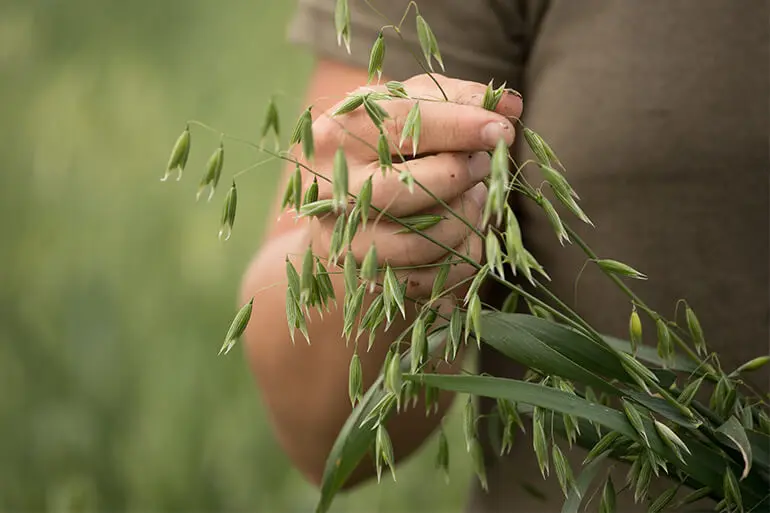
We source oats from a few trusted suppliers. Most oats that go on to become Cheerios are grown and harvested in the Manitoba and Saskatchewan provinces in Canada. These regions are excellent for growing plump, sun ripened oats due to the climate and soil conditions. To deliver the quality and health benefits that Cheerios is known for, we source oats that are high in beta glucan and non-desiccant applied. Oats are naturally gluten free, but we take extra care at our Fridley Mill to separate out any stray grains of wheat, barley and rye co-mingling with our oats, followed by testing, to verify our gluten free benefit.
How Cheerios are Made
In three simple words, the journey for an oat to become a Cheerio is: Grown. Milled. Toasted.
All of Cheerios’ oats are specially sourced before they travel to Minnesota to be milled into flour. An oat is harvested with an outer protection shell called a “hull.” The hull is like a coat for the oat. At our Minnesota mill, we dehull the oats – essentially removing their “coats” to become what are called “groats.” The groats are then milled into whole grain oat flour before going on to bake into the tasty little Os you know and love.

Supporting our Oat Farmers
At Cheerios, we care deeply about creating a better market for oats. We support oat farmers through research, both self-funded and in partnership with public research institutions, to develop and select the best varieties. We evaluate oats for climate stability, nutrition content, and milling performance, all of which enables oat growers to be more successful on their farms with better quality and higher-yielding crops.
Healthy Soil & Sun Ripened Oats
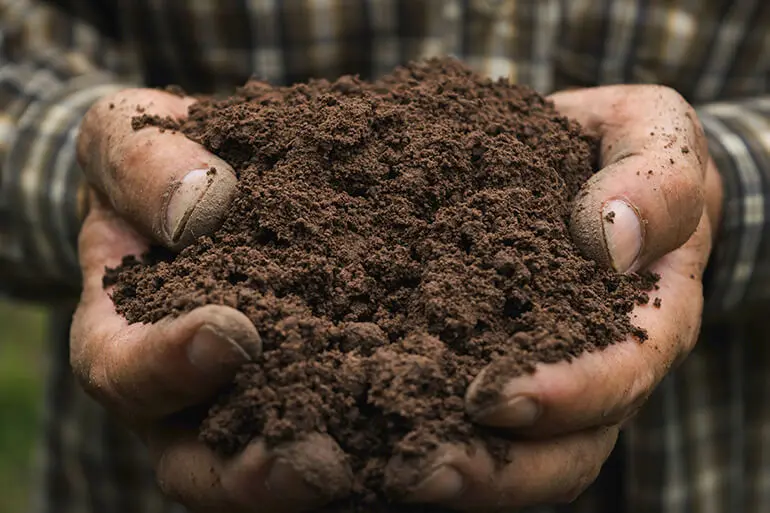
General Mills is committed to advance regenerative agriculture across 1MM acres by 2030, focused on the Northern Plains regions where we source oats for Cheerios. At Cheerios, we have invested heavily in this region to source oats that are ripened with just the power of the sun, the traditional method that does not rely on aids to speed up the oat’s natural ripening process.